Summer temperatures in Kansas can become uncomfortably warm, and for maximum home comfort, you’ll want to make sure that your air conditioning is working well. If you think it’s time to arrange AC maintenance for your property in Shawnee, KS, call MVP Air Conditioning, Heating, Plumbing & Electric today to book a visit from a NATE-certified HVAC technician.
 24/7 Emergency Service (913) 210-5512

AC Maintenance in Shawnee, KS
$39 HVAC Tune-Up
Call For More Details.
"The service I received from MVP was awesome! Specialist Mac was very knowledgeable, patient, and provided great service. He even recommended the monthly service plan to help me save money on future repairs and how the plan provides preventive care. Thank you MVP!" -Tee D.
Your AC Maintenance Experts
Most HVAC unit manufacturers recommend an annual air conditioner maintenance schedule. This is to ensure that your system has clean filters, adequate refrigerant levels, and working electrics. It’s easy to forget about these AC maintenance requirements if you’re busy and your air conditioner is working well, but regular tune-ups should be thought of as an investment that will keep your AC working properly and could save you money in the long term.
An HVAC inspection may include multi-point checks as required, such as:
- Cleaning or replacing air filters
- Testing electrical circuits
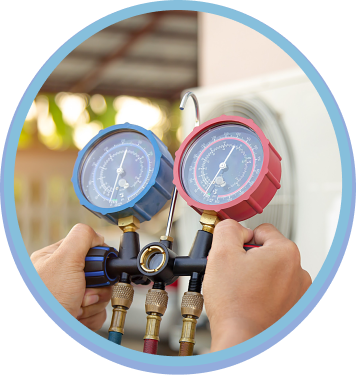
- Checking refrigerant gases
- Testing motors and other moving parts
- Inspecting perishable components
- Calibrating the thermostat
After an AC tune-up, you should notice that your indoor air quality is improved and that your air conditioner runs smoothly and quietly. If your HVAC system is on the older side, you may even notice an improvement in energy efficiency, as the unit doesn’t have to work as hard to cool your home.
You can usually expect an HVAC system to work well for 10-15 years, and some people are lucky enough to have their systems last for far longer than that. If your air conditioner is very old, to the point that it’s running a discontinued refrigerant, our technicians might suggest you consider a replacement. We never engage in hard sales tactics or unnecessary upselling, but we’ll offer suggestions for you to consider based on your needs and budget.
Book an AC Tune-Up Today for Peace of Mind
MVP Air Conditioning, Heating, Plumbing & Electric has been serving households in Shawnee and the surrounding areas since 2005. We’re proud to hold an A+ rating with the Better Business Bureau and to hold three prestigious Nextdoor Awards. You’ll find more than 3,000 five-star reviews of our technicians on Google Reviews, and we’re eager to add your name to our list of satisfied customers.
Shawnee AC Maintenance: Book Before the Heat
A quick tune-up now helps you avoid emergency calls later. If these symptoms look familiar, it’s time for maintenance.
- 12+ months since service: Tune-ups prevent peak-season breakdowns.
- Musty odors or moisture: Cleaning drains/coils improves IAQ and performance.
- Longer run times: Calibration and cleaning boost capacity.
- Higher bills: Maintenance reduces wasted energy.
- Short cycling: We verify controls and electrical components.
Preseason service keeps your home cool and efficient.
AC Tune-Up Checklist for Shawnee Homes
These are the technical checks we perform and record to catch issues early and keep your system efficient.
- Record indoor/outdoor temperature split (ΔT) across the coil and note findings.
- Measure total external static pressure (return + supply) in inches w.c. and compare to OEM limits.
- Verify blower motor amp draw against nameplate rating; document reading.
- Measure compressor amp draw (RLA/LRA) and compare to manufacturer specs.
- Test start/run capacitors and record microfarads (μF); replace if out of tolerance.
- Inspect contactor for pitting/heat damage; verify coil voltage and contact resistance.
- Tighten electrical lugs/terminals at air handler, condenser, and disconnect; check for scorching.
- Inspect condenser fan blade balance and motor bearings; confirm amp draw and rotation.
- Verify thermostat calibration/operation (modes, staging) and provide a calibration report.
- Flush condensate drain and P-trap; add algaecide if needed; test float switch/safety pan sensor.
- Inspect evaporator coil condition and drain pan; check for frost/debris and proper drainage.
- Rinse condenser coil from inside out to restore heat transfer (when accessible).
- Check refrigerant charge using the proper method (superheat/subcool) for the metering device; note readings.
- Inspect line-set insulation and brazed joints; look for oil staining; leak-check if indicated.
- Spot-check supply register temperatures and airflow; note rooms with weak delivery.
- Inspect duct connections at the plenum/air handler for air leaks and deterioration.
- Test system safety controls and review any active/latent board error codes.
- Verify proper start-up/shutdown sequence; observe for short-cycling or hard starts.
- Inspect outdoor disconnect, whip, and breaker sizing; verify secure terminations.
- Provide a written maintenance report with all measured values and recommendations.
Whether you have a central air system or ductless mini-splits, if you’re looking for help with AC maintenance in Shawnee, call the experts at MVP Air Conditioning, Heating, Plumbing & Electric today to book a tune-up at your convenience.

Frequently Asked Questions
Most AC maintenance appointments in Shawnee take between 60 to 90 minutes, depending on the condition of your system and any findings during the inspection.
Spring is typically the best time to schedule AC maintenance in Shawnee so your system is in top condition before the summer heat arrives. MVP Air Conditioning, Heating, Plumbing & Electric recommends booking early to avoid peak-season delays.
Yes, regular tune-ups help identify worn components and prevent system strain, reducing the chance of breakdowns when your AC is working hardest during Shawnee’s summer months.
A professional tune-up from MVP Air Conditioning, Heating, Plumbing & Electric in Shawnee includes filter checks, refrigerant level testing, electrical inspections, thermostat calibration, and cleaning of essential components.
Regular AC maintenance improves indoor air quality by ensuring filters are clean and airflow is unobstructed, which helps reduce allergens and airborne particles in your Shawnee home.
Yes, ductless systems also require regular filter cleaning, refrigerant checks, and electrical inspections. MVP Air Conditioning, Heating, Plumbing & Electric provides full tune-ups for both mini-splits and central AC units in Shawnee.
CONTACT US
CONTACT MVP Air Conditioning, Heating, Plumbing & Electric!
Choose MVP Air Conditioning, Heating, Plumbing & Electric for your HVAC, plumbing, and electrical needs, and experience the difference that passion, dedication, and exceptional customer service can make.
We are more than a service provider, we are your partners in comfort!
 Business Hours
 Quicklinks