Benefits of Prompt Water Heater Service
Most people realize they need a water heater repair when their system stops delivering consistent hot water. Anything from a worn heating element to sediment buildup can limit heat transfer, leading to uncomfortable temperature changes. Other common concerns are water quality issues, odd odors and strange noises.
No matter what problem you’re experiencing, it’s important not to ignore it. Not only can these problems further damage your water heater, but they can also lead to higher bills. The sooner you schedule a professional repair, the sooner you can restore comfort.
Here are some top benefits of water heater service:
- Improved water quality
- Reduced risk of repairs
- Improved system efficiency
- Extended system lifespan
- Increased safety
Along with a reliable supply of hot water, you’ll enjoy improved water quality. Repairs help remove sediment, rust and mineral buildup that might otherwise affect taste or appearance. The result is clean, healthy water for your sinks and showers.
A timely water heater repair can also prevent larger issues from developing. Minor wear or buildup can turn into leaks, damaged parts, or even full system failure. Service keeps your system stable and reduces the chance of future breakdowns. This also helps save on otherwise costly repairs.
Speaking of costs, repairs help save money by improving efficiency. A well-maintained water heater uses less energy to heat water, leading to lower bills. Similarly, sediment removal and part replacement allow the system to work without strain, also reducing your bills.
Another major benefit is an extended overall lifespan. Regular repairs help slow wear and tear, while proper function reduces stress on the tank and heating components. This support helps the water heater last longer before needing replacement.
Last but not least, service can improve safety. A damaged water heater can create risks like leaks, overheating, or pressure problems. Professional repair helps ensure all components work as intended, reducing hazards and keeping the system operating safely in your home.


 24/7 Emergency Service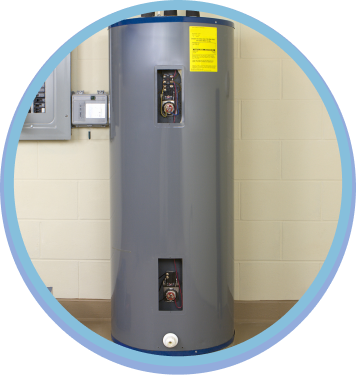
 Business Hours
 Quicklinks