24/7 Emergency Service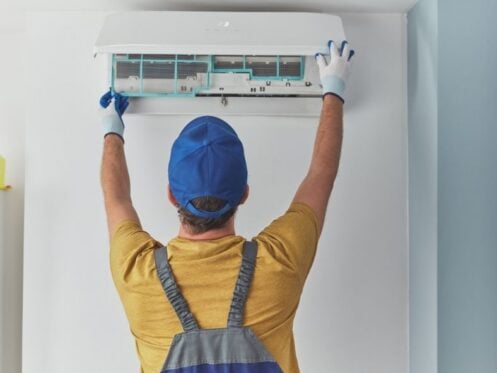
Choosing an HVAC installer is about more than comparing the lowest quote. The contractor you hire affects system sizing, installation quality, comfort, energy use, and long-term reliability. For homeowners considering HVAC installation in Kansas City, it is worth evaluating the installer as carefully as the equipment itself. The right questions can reveal whether a contractor has a methodical process or is simply selling a replacement unit.
What Should I Consider When Choosing an HVAC Installer?
Look at licensing, experience, system sizing, installation practices, warranty coverage, written estimates, and post-installation support before making a decision.
A reputable installer should be willing to explain how the proposed system was selected and what the installation includes. You should also receive clear information about equipment specifications, labor, warranties, permits when applicable, and any work needed on existing ductwork or electrical connections.
1. Ask How the HVAC System Will Be Sized
One of the most important technical considerations is sizing. A system should not simply be selected because it matches the size of an existing unit or because a contractor uses a basic square-footage rule.
The U.S. Department of Energy notes that proper HVAC sizing requires accurate heating and cooling load calculations. Its guidance also cautions against relying on rules of thumb because oversized systems can increase costs and lead to frequent cycling.
Ask the installer:
- Will you perform a load calculation?
- What factors were considered?
- Does the existing ductwork support the proposed equipment?
- Why was this particular system capacity recommended?
A careful answer is a positive sign that the installation is being designed around the home rather than a generic formula.
| Factor | Basic Quote | Detailed Installation Proposal |
|---|---|---|
| Equipment | Unit listed | Model and specifications identified |
| Sizing | May be unclear | Load calculation explained |
| Ductwork | May be excluded | Inspection or modifications identified |
| Electrical work | May be unclear | Required upgrades specified |
| Warranty | General statement | Equipment and labor terms explained |
| Startup | May be unspecified | Testing and system walkthrough included |
When comparing proposals, put each estimate side by side. Look beyond the equipment’s advertised efficiency rating and determine exactly what you are paying for.
2. Check Technician Credentials
Refrigerant handling is an area where technician credentials matter. The EPA requires technicians who maintain, service, repair, or dispose of equipment that could release regulated refrigerants to hold the appropriate Section 608 certification.
You can ask whether the technicians handling your system have the required certification and whether the company carries appropriate insurance and local credentials.
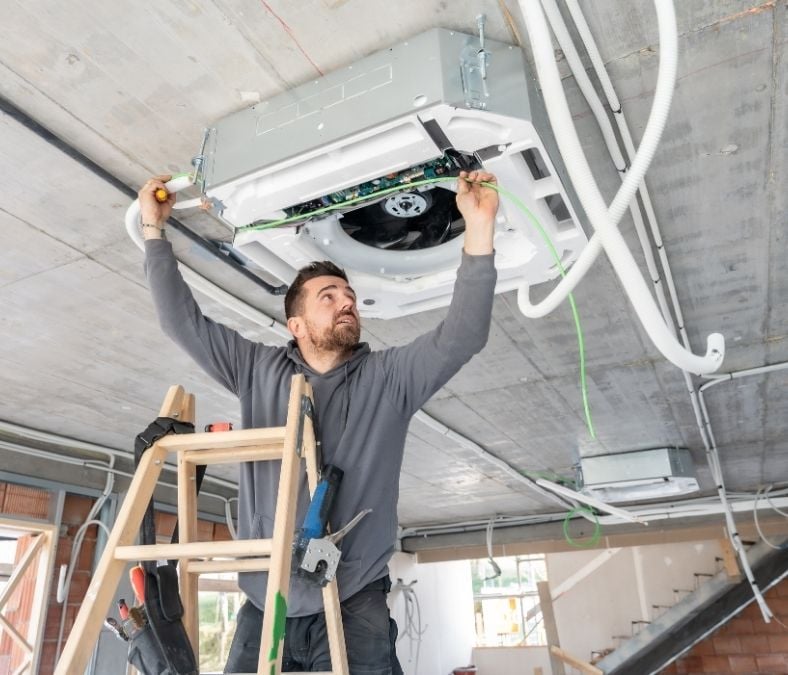
Experience with your specific type of system is also useful. A contractor installing a conventional central air conditioner may need a different approach for a heat pump, ductless system, zoning setup, or replacement involving older ductwork.
3. Understand the Installation Process
A professional installation should involve more than removing an old unit and connecting a new one.
Before work begins, ask what the installation process involves. Depending on the system, this may include equipment placement, refrigerant-line work, condensate management, electrical connections, ductwork adjustments, airflow checks, and startup testing.
The final commissioning stage deserves particular attention. Ask whether the installer will verify that the equipment operates correctly before considering the job complete.
For homeowners researching air conditioning options, our Complete Guide to Split AC Installation also explains important installation considerations and what the process can involve.
Ask About Warranties and Future Service
A new HVAC system is a long-term purchase, so understand what happens after installation day.
Ask these questions before signing:
- What does the manufacturer’s warranty cover?
- Is there separate labor or workmanship coverage?
- Who handles warranty claims?
- What maintenance does the manufacturer recommend?
- Is ongoing repair and maintenance service available?
It is also useful to clarify whether warranty registration is included in the installation process.
Review the Written Estimate Carefully
A written proposal should make the project understandable before work begins. Look for the equipment model, installation scope, labor, applicable permits, disposal of old equipment, warranty information, and payment terms.
Be cautious if a contractor cannot explain what is included in the quoted price. A professional conversation should leave you with enough information to compare proposals based on scope rather than price alone.
Conclusion
Before hiring an HVAC installer, evaluate the entire installation process—not simply the equipment price. Proper sizing, qualified technicians, a detailed written proposal, appropriate installation practices, clear warranties, and reliable follow-up service can all influence the outcome of your project.
If you are planning HVAC installation in Kansas City, taking time to ask these questions can make it easier to understand your options and select an installer based on clear, relevant information. MVP Air Conditioning, Heating, Plumbing & Electric can help homeowners explore available HVAC services and installation options.
Key Takeaways
- Ask how heating and cooling loads were calculated before accepting an equipment recommendation.
- Review labor, ductwork, electrical work, permits, startup testing, warranties, and disposal—not just the equipment price.
- Confirm that technicians have the appropriate certifications for the equipment and refrigerants they service.
- Ask about warranty handling, maintenance, future repairs, and post-installation support.
Frequently Asked Questions
What should I consider when choosing an HVAC installer?
Consider the contractor's credentials, experience, sizing process, installation scope, written estimate, warranties, and availability for future service.
Why is HVAC system sizing important?
Correct sizing helps match equipment capacity to the home's actual heating and cooling requirements. The U.S. Department of Energy recommends load calculations rather than relying solely on simple rules of thumb.
Should I get multiple HVAC installation estimates?
Comparing multiple written estimates can help you understand differences in equipment, installation scope, warranties, and pricing. Make sure you compare equivalent scopes of work rather than price alone.

 Business Hours
 Quicklinks