24/7 Emergency Service
Is a Heat Pump Right for Your Home?
If your heating and cooling bills keep climbing or your current system struggles to keep up with Missouri’s temperature swings, you’ve probably wondered whether a heat pump is worth the investment. Heat pumps offer efficient, year-round heating and cooling by transferring heat rather than generating it, which can mean real savings on your energy bills. But the equipment itself is only half the equation — how it’s installed determines whether you actually see those benefits. That’s why understanding what goes into a proper heat pump installation in Kansas City MO matters just as much as choosing the right unit.
Why Professional Installation Makes All the Difference
A heat pump is a precision system. Even small installation errors — an undersized unit, improperly sealed ductwork, or incorrect refrigerant charge — can quietly undercut performance for years. Here’s what a trained professional brings to the table that a DIY approach simply can’t match.
Correct Sizing and Placement
An oversized or undersized heat pump will never perform efficiently, no matter how well it’s built. Professionals use load calculations based on your home’s square footage, insulation, windows, and layout to recommend the right unit size. They also consider placement — airflow clearance, drainage, and noise — to avoid problems that surface only after installation.
Safe Handling of Electrical and Refrigerant Work
Heat pumps involve high-voltage electrical connections and refrigerant lines that require specialized tools, training, and in many cases, EPA certification to handle legally. Mishandling either one isn’t just risky for the equipment — it can be dangerous for your household.
Compliance With Codes and Permits
Most municipalities require permits and inspections for HVAC installations. Licensed professionals know local building codes inside and out, pull the necessary permits, and make sure the finished installation passes inspection — protecting you from fines or issues when you eventually sell your home.
Manufacturer Warranty Protection
Nearly every heat pump manufacturer requires professional installation to keep the warranty valid. A single DIY misstep could leave you covering major repair costs out of pocket that would otherwise have been covered.
Can I Install a Heat Pump Myself or Should I Hire a Professional?
While it’s technically possible to purchase a heat pump on your own, installing one yourself is rarely a good idea. Beyond the safety and code concerns, incorrect installation is one of the leading causes of poor efficiency and premature system failure. The upfront cost of professional installation is almost always offset by fewer repairs, lower energy bills, and a system that actually lasts as long as it’s designed to.
What Professional Installation Looks Like
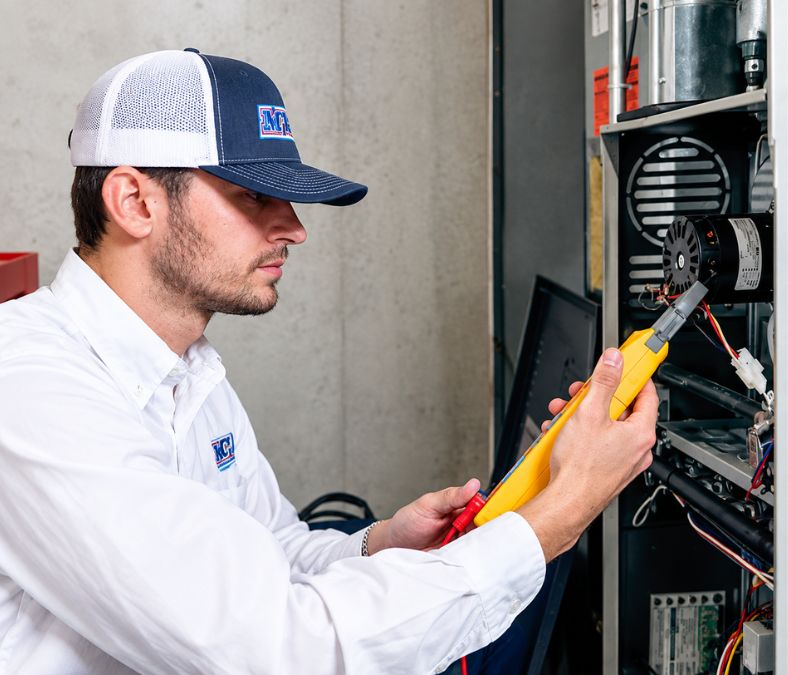
A quality installation isn’t a one-and-done task — it’s a process. Here’s what homeowners can typically expect:
- In-home assessment — A technician evaluates your space, existing ductwork, and heating/cooling needs.
- System recommendation — You’ll receive options sized and priced for your home, not a one-size-fits-all unit.
- Professional installation — Electrical, refrigerant, and ductwork connections are completed to code.
- Testing and calibration — The system is tested for airflow, temperature accuracy, and efficiency before the job is considered done.
- Walkthrough and maintenance guidance — You’re shown how to operate the system and when to schedule upkeep.
For homeowners in the metro area, heat pump installation requires familiarity with local climate swings and building codes — something an experienced local team is equipped to handle from day one.
The Value of Ongoing Professional Service
Installation is just the beginning. Routine maintenance keeps your heat pump running efficiently through both summer and winter. Filters need changing, refrigerant levels need checking, and components need periodic inspection to catch small issues before they become expensive repairs. Scheduling regular heat pump service in Kansas City MO, that homeowners rely on can add years to your system’s lifespan and keep energy bills predictable.
If you’re new to heat pumps or unsure what routine care involves, our blog covers additional maintenance tips and seasonal HVAC guidance worth bookmarking.
Why Homeowners Trust Our Team
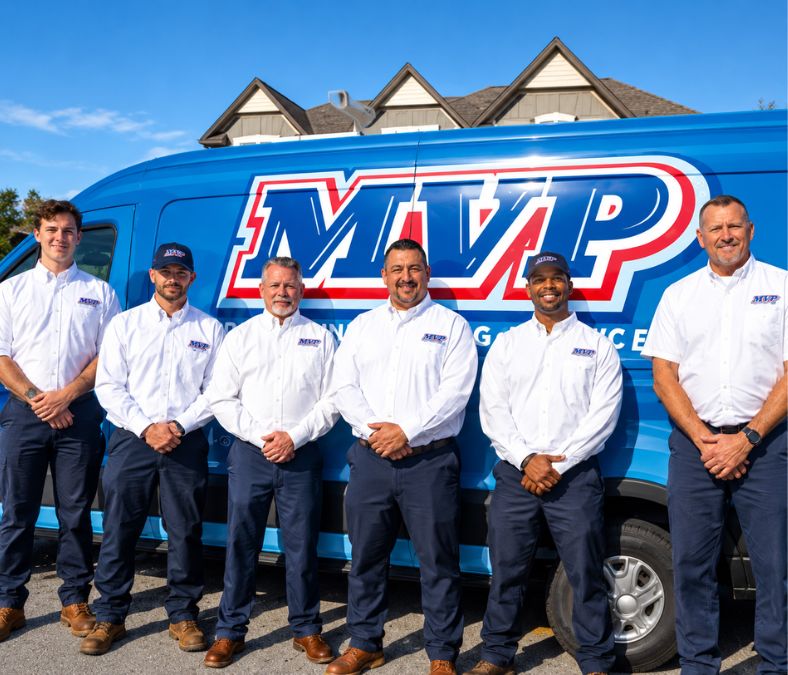
Choosing a contractor is as important as choosing the equipment itself. A trustworthy provider will be transparent about pricing, licensed and insured, and willing to explain their recommendations rather than upselling unnecessary equipment. Learn more about our technicians, certifications, and approach to honest HVAC service on our About Us page.
Ready to Get Started?
A properly installed heat pump can transform your home’s comfort and lower your energy bills for years to come — but only when it’s done right. Skip the guesswork and the risk of a DIY project gone wrong.
Explore the Full Range of heat pump options built for Kansas City homes, or contact us today to schedule your consultation.
Key Takeaways
- Professional installation ensures your heat pump is correctly sized, positioned, and calibrated for your home’s specific needs.
- DIY installation can void manufacturer warranties, create safety hazards, and lead to costly repairs down the road.
- Licensed technicians handle refrigerant, electrical connections, and permits safely and in compliance with local codes.
- Proper installation directly impacts energy efficiency, indoor comfort, and the overall lifespan of your system.
Frequently Asked Questions:
How long does a heat pump installation typically take?
Most residential installations are completed in one to two days, depending on the complexity of the ductwork and electrical work involved.
How much does professional heat pump installation cost?
Costs vary based on system size, home layout, and any ductwork modifications needed. A professional in-home assessment provides the most accurate estimate.
Do heat pumps work well in cold climates?
Modern heat pumps are designed to perform efficiently even in colder temperatures, though some homes may benefit from a backup heat source during extreme cold snaps.
How often should a heat pump be serviced?
Most manufacturers recommend professional maintenance at least twice a year — once before the cooling season and once before the heating season.
Will a new heat pump lower my energy bills?
Yes, in most cases. A properly sized, professionally installed heat pump operates more efficiently than older or improperly matched systems, which typically translates to lower monthly energy costs.

 Business Hours
 Quicklinks