24/7 Emergency Service
Introduction
Have you ever wondered why an electrician who rewires homes might not be the right fit for a manufacturing plant? Electrical work isn’t one-size-fits-all. The wiring behind your kitchen outlets and the systems powering an industrial assembly line operate on entirely different scales, with different risks, codes, and equipment involved. Understanding these differences matters whether you’re a homeowner planning an upgrade or a business owner managing a facility. In this article, we’ll break down the major factors that separate residential and industrial electrical work, and why knowing the distinction helps you hire the right professional for the job.
What Is the Difference Between Residential and Industrial Electrical Work?
Residential electrical work focuses on smaller-scale systems designed for homes, apartments, and small living spaces. Industrial electrical work involves large-scale power systems built to support heavy machinery, manufacturing equipment, and continuous operations. The two share basic electrical principles, but the scope, complexity, and safety requirements diverge sharply.
Voltage and Power Load Requirements
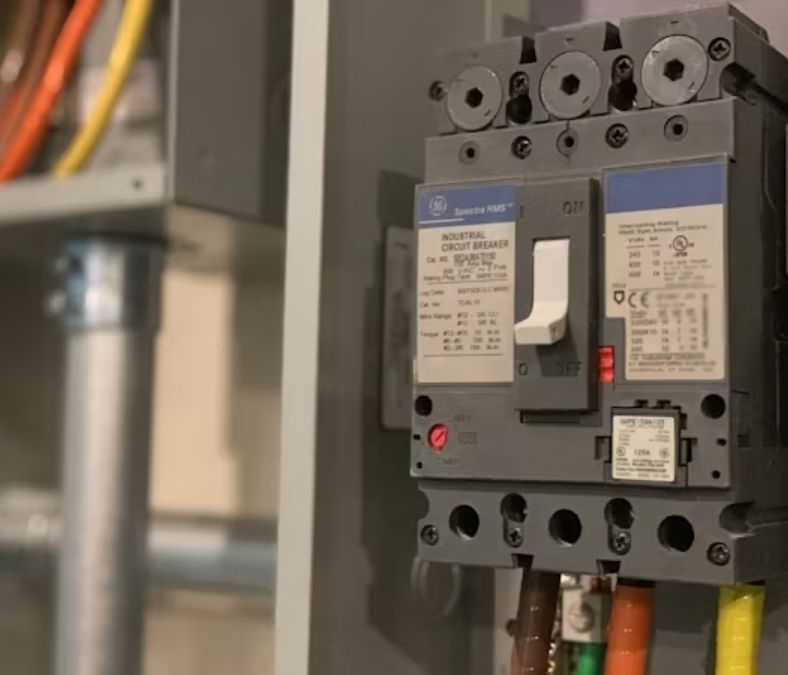
One of the clearest distinctions lies in voltage capacity. Homes typically run on 120/240-volt systems, sufficient for appliances, lighting, and HVAC units. Industrial facilities, on the other hand, often require three-phase power systems running at much higher voltages to operate heavy machinery, conveyor belts, and large-scale equipment.
This difference in load isn’t just a technical detail, it directly impacts the type of wiring, transformers, and circuit breakers needed. An electrician unfamiliar with high-voltage industrial systems could easily misjudge load calculations, leading to equipment failure or fire hazards.
Equipment Complexity and System Design
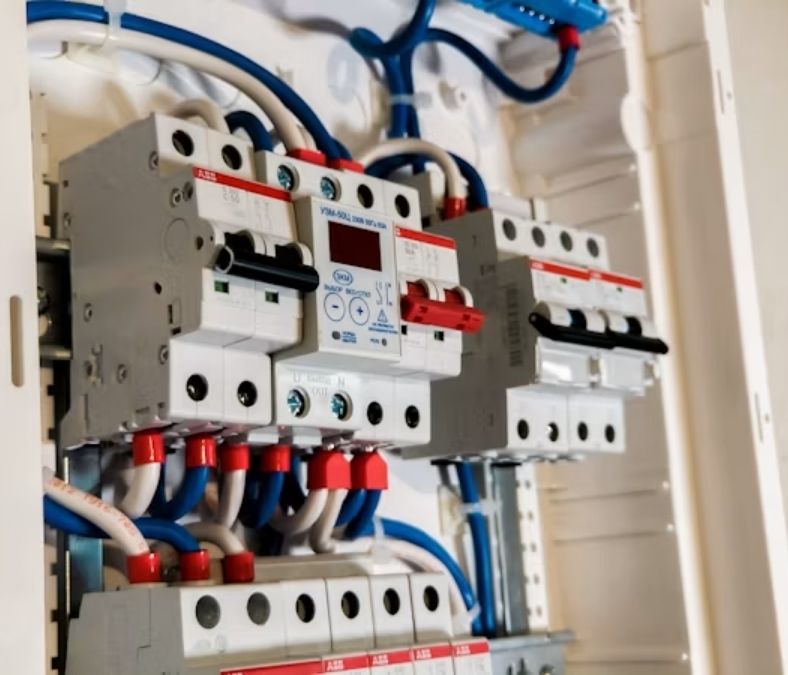
Residential systems are relatively straightforward: a main panel, a handful of circuits, and standard outlets. Industrial electrical systems are far more layered, often including:
- Motor control centers
- Programmable logic controllers (PLCs)
- Backup generators and uninterruptible power supplies
- Specialized distribution panels for different production zones
Because industrial setups power critical operations, a single fault can halt production entirely. This makes system design, redundancy planning, and load balancing far more involved than a typical home rewiring project.
Safety Standards and Compliance
Safety expectations rise substantially in industrial settings. While residential work follows the National Electrical Code (NEC), industrial facilities must also comply with OSHA regulations, equipment-specific safety standards, and often facility-specific protocols for lockout/tagout procedures during maintenance.
Industrial electricians typically need additional certifications and training to work safely around high-voltage systems and heavy machinery. This is one of the biggest reasons homeowners shouldn’t attempt DIY fixes on commercial-grade equipment, and why businesses should never hire a general handyman for facility wiring.
Maintenance and Downtime Considerations
How do electrical services differ between residential and industrial projects? Beyond installation, maintenance schedules and priorities differ too. A home electrical issue might mean a tripped breaker or a flickering light, inconvenient, but rarely business-critical. In an industrial setting, an electrical failure can shut down an entire production line, costing thousands of dollars per hour in lost output.
That’s why industrial facilities usually invest in preventive maintenance programs, thermal imaging inspections, and scheduled equipment checks. Residential maintenance, by comparison, tends to be more reactive, addressed as issues arise rather than through continuous monitoring.
If you’re comparing quotes or trying to understand what kind of professional support your property needs, reviewing electrical services in Kansas City can help clarify what’s included in residential versus commercial-grade service packages.
Project Timelines and Permitting
Residential electrical projects, such as adding a circuit or upgrading a panel, usually involve shorter timelines and simpler permitting processes. Industrial projects often require detailed engineering plans, multiple inspections, and coordination with other trades, especially when new equipment or expanded facilities are involved. This added complexity means industrial projects typically take longer to plan and execute, even if the actual installation work moves quickly once approved.
Choosing the Right Electrical Partner
Whether you’re managing a home renovation or overseeing a facility upgrade, working with a team experienced in your specific project type makes a measurable difference in safety and efficiency. If you’re exploring options for your next project, get in touch with our team to discuss what your space actually needs.
For more insights on electrical topics, feel free to browse our blog for additional guides and tips. You can also learn more about our full range of services on our homepage.
Key Takeaways
- Residential and industrial electrical systems differ in voltage, load capacity, and equipment complexity.
- Industrial projects require stricter safety protocols and specialized certifications.
- Choosing an electrician trained for the specific project type prevents costly errors and downtime.
- Regular maintenance needs vary significantly between homes and industrial facilities.
Frequently Asked Questions
Can a residential electrician work on industrial projects?
Not always. Industrial work often requires additional certifications, experience with high-voltage systems, and familiarity with OSHA compliance standards that go beyond typical residential training.
Why do industrial electrical systems cost more to install?
Industrial systems involve higher voltage equipment, more complex wiring, and stricter safety requirements, all of which increase labor, materials, and planning costs compared to residential work.
How often should industrial electrical systems be inspected?
Most industrial facilities schedule inspections quarterly or biannually, though this can vary based on equipment usage, local regulations, and facility size.
Is three-phase power used in homes?
Rarely. Three-phase power is mainly used in industrial and some commercial settings due to its efficiency in running heavy machinery, while most homes operate on single-phase power.
What's the biggest risk of using the wrong type of electrician for a project?
Using an electrician unfamiliar with a project's specific demands can lead to code violations, equipment damage, safety hazards, or costly rework down the line.

 Business Hours
 Quicklinks