24/7 Emergency Service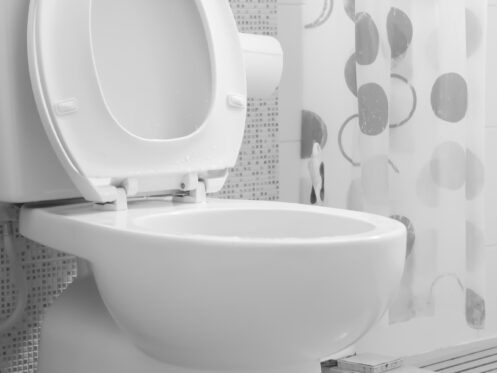
The average U.S. household uses more than 300 gallons of water per day. In the summertime, usage can be two to four times higher due to lawn care, pools, and other activities. With even modest water conservation efforts, households can reduce water use by half. This article will look at a range of water-efficient plumbing fixtures that can help you cut down on water use and lower your monthly utility bills.
Federal Standards and Certifications
Plumbing fixtures sold in the U.S. are subject to regulations set by the federal government. The organizations that develop and maintain these standards include the American Society of Plumbing Engineers and the American Society of Mechanical Engineers. The Environmental Protection Agency (EPA) is influential in this area as well. The standard that’s most important for consumers to be aware of is flow rate. It indicates how much water a fixture uses, and the federal maximum varies between fixture types. There are also various certifications to consider.
WaterSense
Founded in 2006, WaterSense is an EPA program that certifies fixtures and water-using appliances. The EPA sets flow rate limits that are more stringent than the federal standards. Products that meet these standards through independent lab testing earn the WaterSense label. That label gives consumers peace of mind and may make them eligible for rebates. It’s also important to note that WaterSense accounts for usability. For example, a showerhead that delivers poor water pressure can’t earn certification.
Certified Water Rating Index
The National Green Building Standard scores homes for water conservation—indoor, outdoor, and reuse—through the Certified Water Rating Index (WRI). The WRI ranges from 0 to 100, and the lower the score, the better. Builders generally target 70 or lower. You can have a team score your home and then use that information to improve water conservation further.
Toilets
Toilets are the leading source of water use in the average household. They can account for as much as 50% of total usage. Prior to the updated federal standards, toilets could use 5 gallons or more per flush (GPF). The federal government now limits them to 1.6 GPF.
High-Efficiency Models
A high-efficiency or low-flow toilet is an alternative to the standard model that uses less water. This is possible through designs that maximize water pressure and flow. The WaterSense standard for toilets is 1.28 GPF, which is a 20% difference from the federal standard. That difference alone can save the average household around 13,000 gallons of water per year from just a new toilet installation. That is more than 130,000 gallons over the life of the toilet. You may also benefit from rebates and other water conservation incentives.
Dual Flush
Many high-efficiency toilets are dual-flush models. This means that they have two handles or buttons that activate different flush modes. One mode provides full flushing power. The other provides a weaker flush but only uses about half the water. While 1.28 GPF is the WaterSense standard, it isn’t the lowest available. Depending on the mode, some dual-flush toilets use as little as 0.5 GPF.
Integrated Bidets
While it may seem like bidets waste water, they actually save water overall through reduced toilet paper usage. Manufacturers use a significant amount of water to make toilet paper. Standalone bidets are optional and are becoming more common in newer U.S. homes. That said, many existing homes don’t have bathroom designs that accommodate them. The good news is that there are many high-efficiency toilets with built-in bidets.
Faucets
Faucets are a top contributor to water use in the average household. The industry measures faucet flow rate in gallons per minute (GPM) at pounds per square inch (PSI). The federal standard is 2.2 GPM at 60 PSI. WaterSense does not have a separate standard for faucets, but the EPA recommends targeting between 1.5 and 1.8 GPM.
Aerators
An issue with a flow rate in the EPA recommended range is that it won’t feel forceful enough to most people. A high-quality aerator is the solution. It will lower the flow rate to the desired range but also improve the feel of the flow by mixing in air. Many low-flow faucets come with enhanced aerators integrated into the design. You can also have a plumber add such aerators to your faucets after you initially install them.
Touchless Faucets
Homeowners should also consider upgrading faucets to touchless models. These are faucets that you can activate and deactivate without physical contact. Touchless faucets not only promote water conservation but also enhance hygiene. They also experience less wear and tear, so they last longer and require less maintenance and fewer repairs.
Smart Features
Many touchless faucets are smart faucets that can turn off automatically after a time. This is particularly useful in households with young children. There are smart sinks that can automatically deactivate the faucet once they’re full. This feature is an option with tubs as well.
Showerheads
The average American uses about 17 gallons of water per shower. One way to reduce that number is by taking shorter showers. An even more effective approach is to install a low-flow showerhead, which limits water usage without sacrificing performance.
Low-Flow Shower Heads
The federal standard for showerheads is 2.5 GPM. That standard hasn’t changed since the early 1990s and is quite high from a modern perspective. Most showerheads don’t use that much anymore. WaterSense limits certification to models that use 2.0 GPM or less; some use as little as 1.8 GPM.
Smart Leak Detectors
An undiagnosed leak can cause significant water loss and a big water bill. It’s not unusual to be unaware of a leak until you notice water damage or higher water costs. A leak detector is a system that detects leaks as soon as they occur. Pressure changes are the primary means of detection, but some models have acoustic, thermal, and other sensors. Traditional leak detectors sound an alarm. Smart leak detectors do that but can also send notifications to your phone. The most advanced models can even shut off the water main to avoid further damage.
Tankless Water Heaters
Traditional tank water heaters are inherently inefficient because they store hot water and maintain its temperature. That means they’re consuming energy even when you’re not using hot water, and there’s also some water loss through evaporation. Tankless water heaters don’t have these problems because they only heat water when you need it. This approach eliminates energy and water waste, and it provides you with a virtually endless hot water supply.
You can even opt for a higher capacity than you need daily without being wasteful. That added capacity is nice to have when hosting guests or when showering more often in the summer due to trips to the beach or other outdoor activities.
Water-Efficient Fixture Installation in Kansas City
MVP Air Conditioning, Heating, Plumbing & Electric is a plumbing company located in Lenexa, KS. Our licensed plumbers and electricians serve households throughout Kansas City and beyond. We install and service kitchen fixtures, bathroom fixtures, water heaters, leak detectors, and much more.
Our company also offers a wide selection of popular fixtures from the top-rated brands. Contact us today to schedule an appointment with one of our experienced plumbers.

 Business Hours
 Quicklinks