24/7 Emergency Service
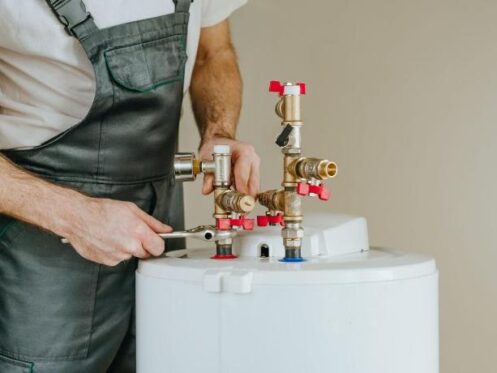
A newly installed water heater should provide reliable hot water, but it is important to check that everything works correctly before relying on it. Knowing what to do after installing a new water heater can help you identify leaks, confirm safe operation, and avoid preventable problems. Whether you have a traditional tank-style unit or a tankless model, a few practical checks can help you feel confident about your new system.
What to Check After Water Heater Installation in Kansas City
After a new unit is installed, start with a visual inspection and follow the installer’s operating instructions. If you are arranging a water heater installation in Kansas City, ask the technician to explain the system’s controls, shutoff valves, and maintenance requirements before they leave.
1. Check for Leaks Around Connections
Inspect the floor and the visible connections around the water heater for moisture. Look at the cold-water inlet, hot-water outlet, drain valve, and nearby pipe joints.
A small drip can indicate a loose connection or another installation issue. Do not tighten gas fittings, dismantle components, or attempt repairs yourself. Contact the installer if you notice persistent moisture, unexplained pooling, or dripping from a connection.
For gas-powered units, leave the area immediately if you smell gas. Avoid operating electrical switches or creating flames, and contact your gas utility or emergency services from a safe location.
2. Confirm That the Tank Is Filled Before Heating
A storage water heater must be filled with water before its heating elements are switched on. Operating an electric tank with an empty or partially filled tank can damage its heating elements.
If you are unsure whether the installer completed this step, ask them to verify it rather than experimenting with the controls. For a tankless water heater, follow the manufacturer’s instructions for commissioning and flushing the system.
3. Test the Hot Water at a Faucet
Once the installer confirms that the system is ready to operate, open a hot-water faucet and allow time for the water to warm up. The waiting period depends on the heater type, its capacity, the distance to the faucet, and the initial water temperature.
Check whether the water becomes consistently warm and whether the flow remains steady. If it stays cold, fluctuates significantly, or takes much longer than expected to heat, contact the installer.
Avoid testing the water with your hands. Use caution when checking the temperature because excessively hot water can cause scalding.
4. Verify the Temperature Setting
Ask the technician to show you how to adjust the thermostat or digital temperature controls. Many households use a storage-water-heater setting around 120°F (49°C) to reduce scalding risk, but the appropriate setting depends on the appliance, household needs, and applicable safety guidance.
For additional information, consult the U.S. Department of Energy’s guidance on water heating. Follow your manufacturer’s recommendations and seek professional advice if your household has special temperature or water-hygiene requirements.
5. Inspect the Pressure Relief Valve and Discharge Pipe
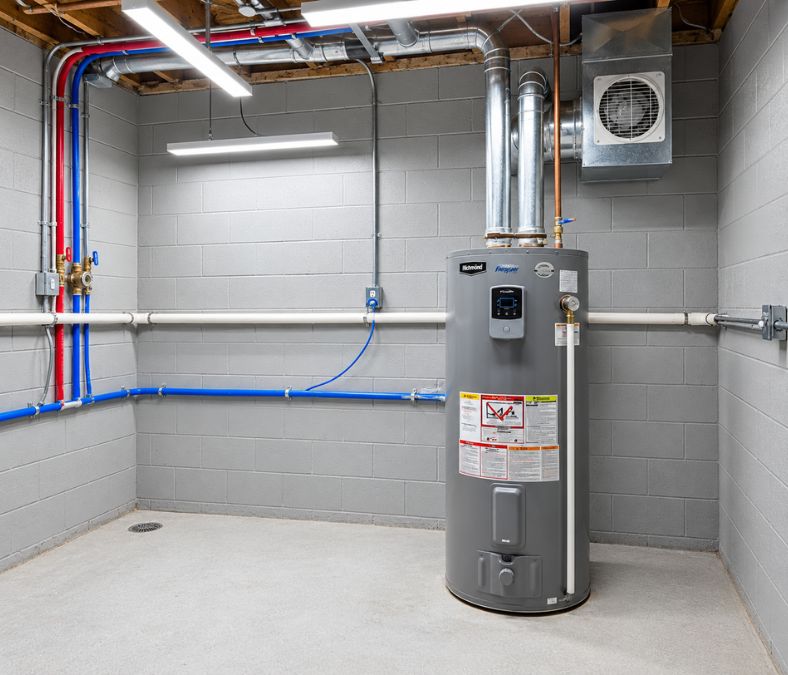
Storage water heaters typically have a temperature and pressure relief (T&P) valve designed to release water when temperature or pressure becomes excessive. The discharge pipe must be installed according to the manufacturer’s instructions and applicable local requirements.
Gas vs. Electric Water Heaters: What Should You Check?
The basic checks are similar, but gas and electric systems have different operating requirements.
| What to Check | Gas Water Heater | Electric Water Heater |
|---|---|---|
| Energy supply | Confirm normal operation through the installer | Confirm the electrical supply is operating correctly |
| Heating performance | Check that hot water is delivered consistently | Check that water heats after the expected recovery period |
| Safety concerns | Watch for gas odours or unusual combustion symptoms | Watch for electrical warning signs or tripped breakers |
| Professional support | Contact a qualified gas appliance technician | Contact a qualified plumber or electrician, as appropriate |
Both systems require proper installation, leak checks, and safe temperature settings. Never remove safety covers or bypass protective devices to investigate a problem.
When Should You Call a Plumber?
Contact a qualified professional if the heater leaks, repeatedly loses hot water, displays persistent error codes, or fails to maintain a reasonable temperature. If you need water heater repair in Kansas City, a technician can assess whether the problem involves the installation, water supply, controls, or heating components.
If the unit is not performing as expected, avoid repeatedly resetting breakers or adjusting unfamiliar settings. Explain the symptoms and when they began. This information can help the technician diagnose the issue efficiently.
For more guidance when selecting a service provider, read Key Factors to Consider When Hiring a Heating and Plumbing Service in Kansas City. Choosing a qualified provider and understanding the work completed can make future maintenance easier.
Conclusion: Make Sure Your New Water Heater Is Ready
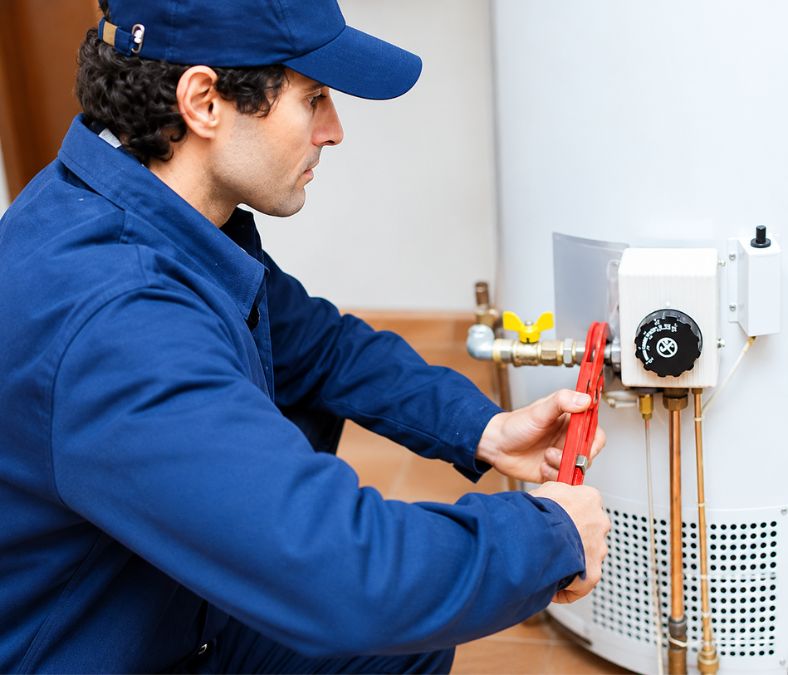
Taking a few minutes to check your new water heater can help you spot potential problems early and understand how to use the system safely. Inspect visible connections, confirm hot-water delivery, verify the temperature setting, and learn the manufacturer’s maintenance recommendations. Leave gas, electrical, and internal component checks to qualified professionals.
For installation advice, maintenance, or troubleshooting, contact MVP Air Conditioning, Heating, Plumbing & Electric. A professional inspection can help address concerns and keep your new water heater operating as intended.
Key Takeaways
- Inspect visible pipe connections and the surrounding floor for leaks before relying on your new water heater.
- Confirm that the system is properly filled, delivers consistent hot water, and uses an appropriate temperature setting.
- Learn the location and purpose of safety components, and never obstruct a pressure relief valve’s discharge pipe.
- Follow the manufacturer’s maintenance instructions and contact a qualified professional if you notice leaks, error codes, or unusual operation.
Frequently Asked Questions:
How long should I wait before using a new water heater?
The waiting period depends on the model, tank capacity, energy source, and incoming water temperature. A storage heater may need time to heat a full tank, while a tankless heater generally heats water on demand. Follow the installer's instructions and the manufacturer's manual.
Should I run water through a new water heater before using it?
The installer should complete the required filling, flushing, and commissioning procedures for the specific model. For a storage tank, confirm that it is completely filled before an electric heating element is energised. Follow the manufacturer's instructions for tankless models.
What temperature should a new water heater be set to?
Around 120°F (49°C) is a common household setting for reducing scalding risk. However, the appropriate setting depends on the system, household needs, and water-hygiene requirements. Consult the manufacturer or a qualified professional before making adjustments.

 Business Hours
 Quicklinks