24/7 Emergency Service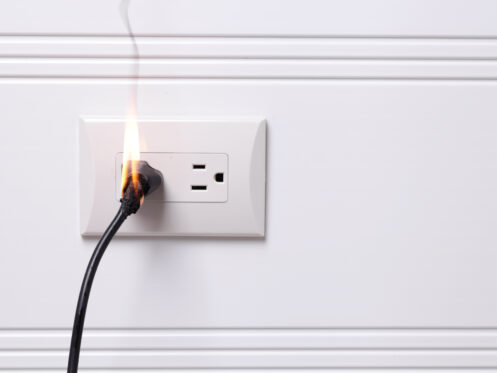
One of the most important parts of your Kansas City-area home is your electrical system. While you might not give it much thought when everything’s working correctly, it’s critical to know how to respond when something goes wrong. Below, we’ll cover what you should do if you ever notice a burning smell coming from one of your outlets.
Why a Quick Response Matters
The U.S. Fire Administration reports that electrical malfunctions cause roughly 24,000 residential fires each year. Many of these could be prevented if homeowners acted promptly at the first warning signs. Understanding and responding quickly to early symptoms—like a burning smell—can greatly reduce your risk of a house fire.
Why Is a Burning Smell Dangerous?
If an outlet smells like it’s burning, something inside is likely overheating. Overloaded wiring or loose connections can cause the insulation around wires or the plastic outlet housing itself to heat up and char. This not only damages the outlet but also creates a risk of igniting nearby materials inside your wall.
Never ignore the odor, even if it seems to fade away. Once insulation or wiring is damaged, the danger remains until the problem is repaired. Always have a licensed electrician check it out.
The Steps to Follow
Stop Using the Outlet
Immediately stop using the outlet. If there are no sparks, smoke, or melting, you can carefully unplug any devices. If you do see sparking, smoke, or melting plastic, don’t touch the plug—go straight to the breaker panel instead.
Turn Off the Circuit Breaker
Shut off power to the affected circuit at your electrical panel. This ensures no current is flowing to the outlet until a professional can inspect it. Labeling the breaker clearly will also help prevent anyone from accidentally switching it back on.
Call a Licensed Electrician
Contact an electrician right away for an inspection. A professional can safely open up the outlet box, examine the wiring behind the wall, and replace the outlet if needed. This step ensures that hidden damage doesn’t create future hazards.
What to Do If There’s a Fire
If you see flames or heavy smoke, treat it as an electrical fire. Use a Class C fire extinguisher designed for electrical fires—never water. Even if you put the fire out, always call the fire department to confirm the fire hasn’t spread inside your walls.
Common Causes of a Burning Outlet Smell
Overloaded Circuit
Plugging multiple high-wattage appliances (like hair dryers, microwaves, or space heaters) into the same circuit can overload it, leading to overheating and burning smells.
Loose Connections
Over years of use, outlet wiring can loosen. A poor connection increases resistance, creating excess heat that can scorch wires and melt plastic.
Outdated or Unsafe Wiring
Homes built in the late 1960s and 1970s may have aluminum branch wiring, which is more prone to overheating than copper. Any home with wiring over 40 years old should have it inspected by a professional.
Worn or Damaged Outlet
An outlet’s internal contacts can wear down or break. When this happens, it can cause arcing—tiny sparks that generate heat and melt surrounding plastic. This is why old or damaged outlets should be replaced.
Prevention Tips
Don’t Overload Circuits
Spread high-wattage appliances across different outlets and circuits. Using a power strip with surge protection doesn’t reduce the circuit load—so be mindful of what’s running on a single breaker.
Replace Aging Outlets
While outlets don’t have a strict expiration date, heavy use can wear them down. If your outlets feel loose when plugging in devices, are discolored, or are more than 15–20 years old, consider replacing them before problems arise.
Schedule Electrical Inspections
A professional inspection every few years can identify loose connections, outdated wiring, or overloaded circuits before they become dangerous.
Expert Electrical Repair Service
MVP Air Conditioning, Heating, Plumbing & Electric offers expert electrical repair service for the Kansas City community. We also provide electrical services, installations, and outlet replacements. Call us today to schedule your service appointment and keep your home safe.

 Business Hours
 Quicklinks